
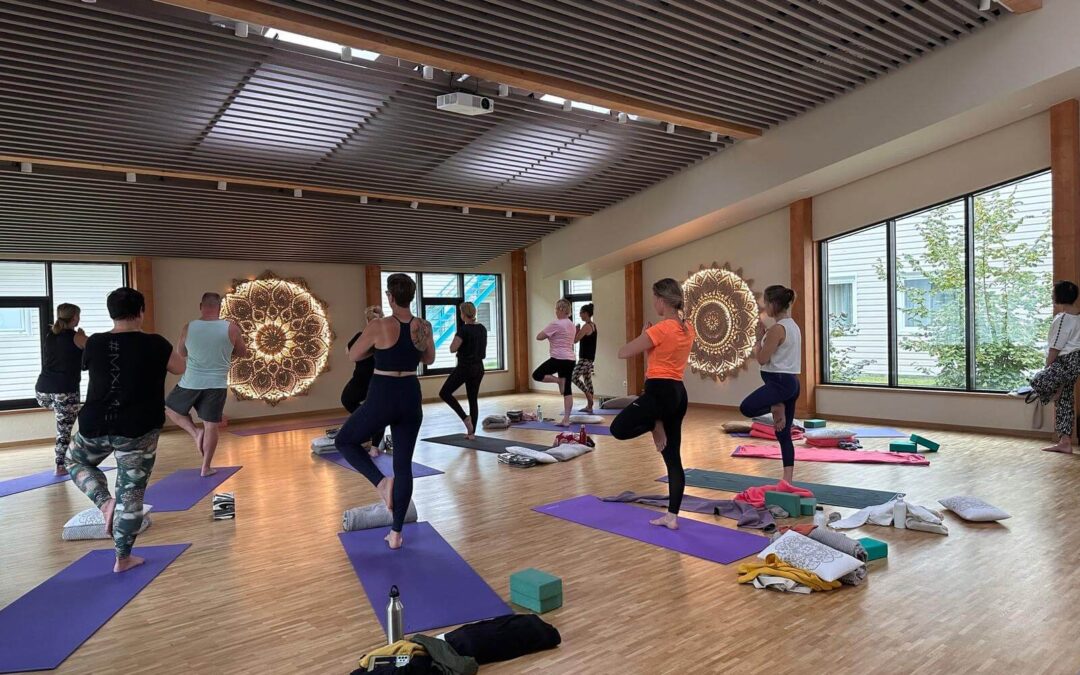
Starting yoga for the first time is more intimidating than it needs to be. Most people picture a room full of advanced practitioners folding themselves into pretzel shapes, and quietly decide they’ll wait until they’re “more flexible” to try — which is backwards, since flexibility is a result of practice, not a prerequisite for starting. Here’s exactly what beginner yoga in Marbella actually looks like, and how to walk into your first class with confidence instead of anxiety.
What Beginner Yoga Actually Involves
A genuinely beginner-friendly class focuses on foundational alignment, breath, and building body awareness — not advanced poses. Expect a slower pace than you might imagine, clear verbal cues explaining each movement, and an instructor who’s actively watching the room rather than moving through a routine on autopilot. If a class doesn’t offer that kind of guidance, it’s not really a beginner class regardless of how it’s labeled.
The Most Common Beginner Fear (and Why It’s Misplaced)
Almost every new student worries about “not being flexible enough.” This gets it backwards. Yoga is one of the few physical practices genuinely designed to meet you exactly where your body currently is — a good instructor offers modifications for every pose, and a beginner’s first class should never feel like a test of current ability.
What to Expect From Your First Session
Comfortable, unrestrictive clothing you can move freely in — nothing more specialized is needed to start.
A mat is usually provided or available to rent for your first visit, so there’s no need to buy equipment before knowing if it’s the right fit for you.
Arrive 10-15 minutes early to settle in, meet the instructor briefly, and mention it’s your first class — this alone changes how much individual attention you’ll get during the session.
Expect to feel awkward for the first two or three sessions. This is completely normal and fades quickly once the basic vocabulary of poses becomes familiar.
Choosing Your First Style
For genuine beginners, Hatha yoga is usually the easiest entry point — a slower pace with clear pose-by-pose instruction, compared to the faster, more continuous movement of a Vinyasa flow class. Once the fundamentals feel comfortable, moving into faster-paced styles becomes much more approachable.
Building a Habit, Not Just Attending a Class
The biggest factor in actually sticking with yoga isn’t finding the “perfect” style on day one — it’s consistency. Committing to a regular weekly time, even just once, matters more than searching for an ideal class. Most students who make yoga a lasting habit started with exactly the same uncertainty as any other beginner.
Start Your Journey Today
Ready to try your first class? Check our class schedule to find a beginner-friendly session, or contact us directly if you’d like a recommendation on which class to start with.
FAQ
Do I need to be flexible to start yoga? No — flexibility develops through practice, it isn’t a prerequisite. A good beginner class meets you exactly where your body currently is.
What should I wear to my first yoga class? Comfortable, unrestrictive clothing you can move freely in — no specialized yoga wear is needed for your first session.
Which yoga style is best for complete beginners? Hatha yoga is generally the easiest entry point, with a slower pace and clear pose-by-pose instruction compared to faster-moving styles.
How long before yoga starts to feel natural? Most students report feeling noticeably more comfortable after their first two or three sessions, as the basic vocabulary of poses becomes familiar.